Linen:

 This is made from flax (linum). It’s strong and quick-drying – and cool in the summer. For those reasons, linen is excellent for underwear. Our canons wore linen breeches and shirts in the summer.
 Flax grows all over Europe, and its seeds are used for linseed oil. ret, the stalks for a week or two so that the fibres start to break apart. Then you dry it. Then you can work it. First you stutch the stalks – hit them with a wooden batten. This breaks up the woody pith so that it can be removed. Then you comb the fibres – this is called hackling. Now the fibres are ready to be dressed and spun.
Ireland is the centre of linen production in the British Isles. Here’s an Irish video on how to make linen.
After it’s been harvested, you have to soak, or
and here’s another, using a water-wheel to drive machinery.
and here’s how it’s done nowadays.
In the days before machinery, flax took a lot of hours of a lot of people!
Did you know?
The word ‘line’ comes from linen – a linen thread was used to measure the straightness of line.
Hemp

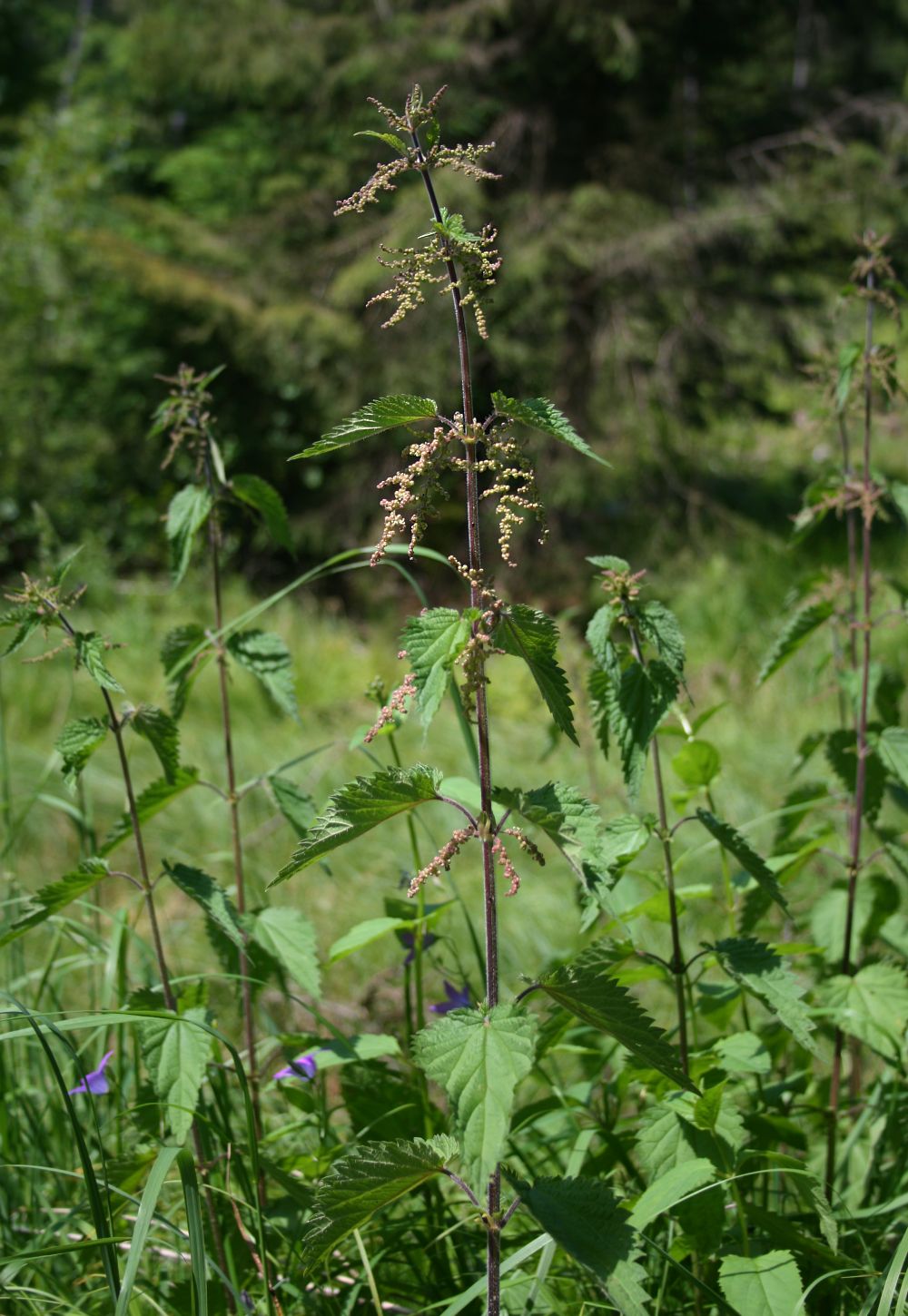 Other plant fibres would have included nettle. Nettle is processed in a similar way, too, and makes a very good fibre. Considering the number of nettles we have, and the fact that we've got to stop using plastic, isn't it time we used nettle for our clothes and cordage?
(Nettle is also good to eat. Here's a recipe for nettle pesto.)

No comments:
Post a Comment